Answers to frequently asked questions about orthodontics can help you with common uncertainties and concerns about aligning Get to know teeth and smile improvement. In this article, detailed answers to questions such as treatment duration, pain, food restrictions and care tips are provided so that you can make a fully informed decision.
By following this article, you have the opportunity to learn all common orthodontic questions at once and prepare to start treatment.
In the following video, Dr. Khadivi, orthodontist in Tehran with 25 years of experience, answers 6 of the most frequently asked questions of orthodontic patients:
Shall I do orthodontics or not?
If the teeth are misaligned, overlapped or spaced apart, orthodontics can be the best solution. Also, if there is a problem in the bite or the alignment of the upper and lower teeth, orthodontics helps to correct it. In addition to beauty, this treatment improves chewing function and jaw health. But if the teeth are neat and the bite is healthy, orthodontics is not necessary and will only have a cosmetic aspect.
What is the cause of teeth not moving in orthodontics?
Tooth not moving in orthodontics is usually influenced by several factors. Insufficient or incorrect force of braces and wires causes the teeth not to move to the desired position. Also, the condition of the root and the density of the bone around the tooth limit the movement of the teeth, and the resistance of the gum tissue also reduces the speed of movement.
In addition, oral habits such as teeth grinding or tongue pressure can change the direction of tooth movement or slow it down. The long interval between visits to adjust braces is also one of the factors that slows down the progress of treatment.
A person's biological response to orthodontic force is also effective in the speed of teeth movement. Compliance with expert recommendations, regular visits and proper care of teeth are the keys to successful treatment.
Is it possible to get lips with orthodontics?
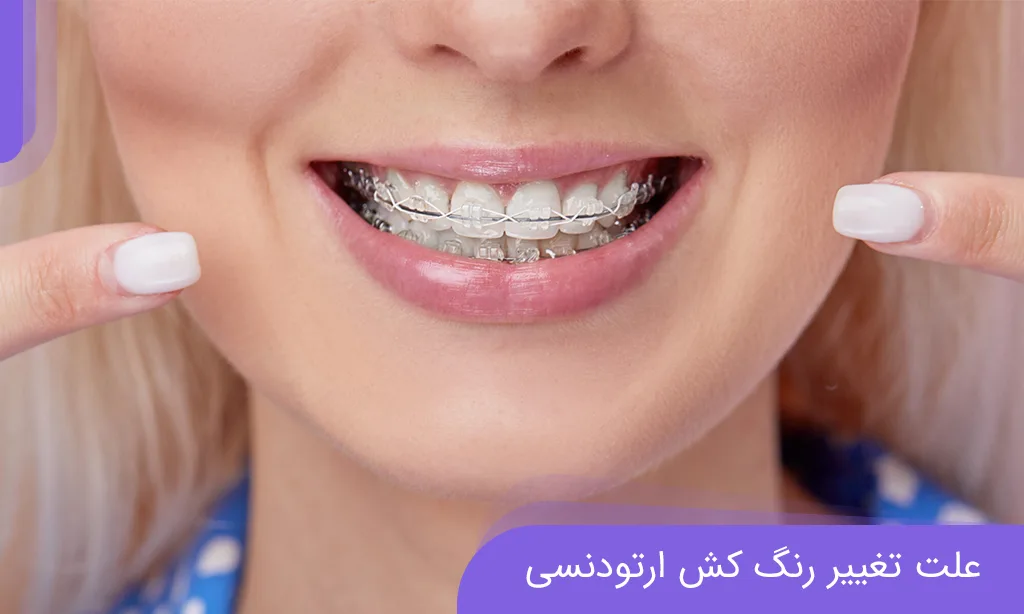
Metal braces may cause a little discomfort during lips touching or kissing with the tongue, but usually it is not a real obstacle for this and the movement of the lips and tongue is not limited, and after a while the mouth gets used to the presence of the brace.
When do orthodontic changes start?
Orthodontic changes are usually noticeable in the first 2 to 4 months. In most cases, after 6-8 months from the start of the treatment, the desired basic changes were formed. The rest of the treatment period (the next 6 to 8 months) is related to closing the empty spaces between the teeth and creating a proper connection between the upper and lower jaw.

What is the cause of the gap between the teeth after orthodontics?
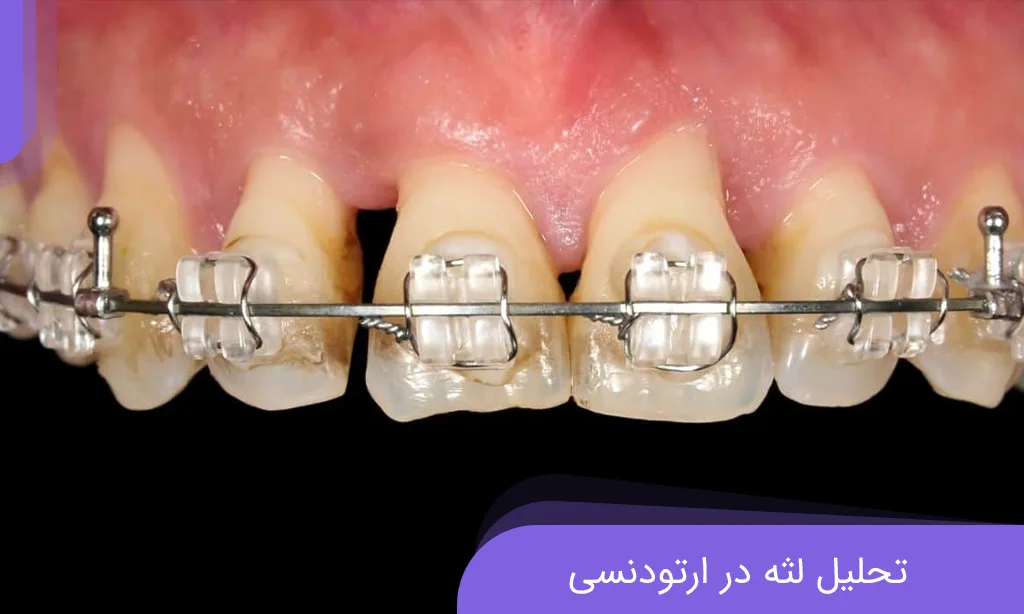
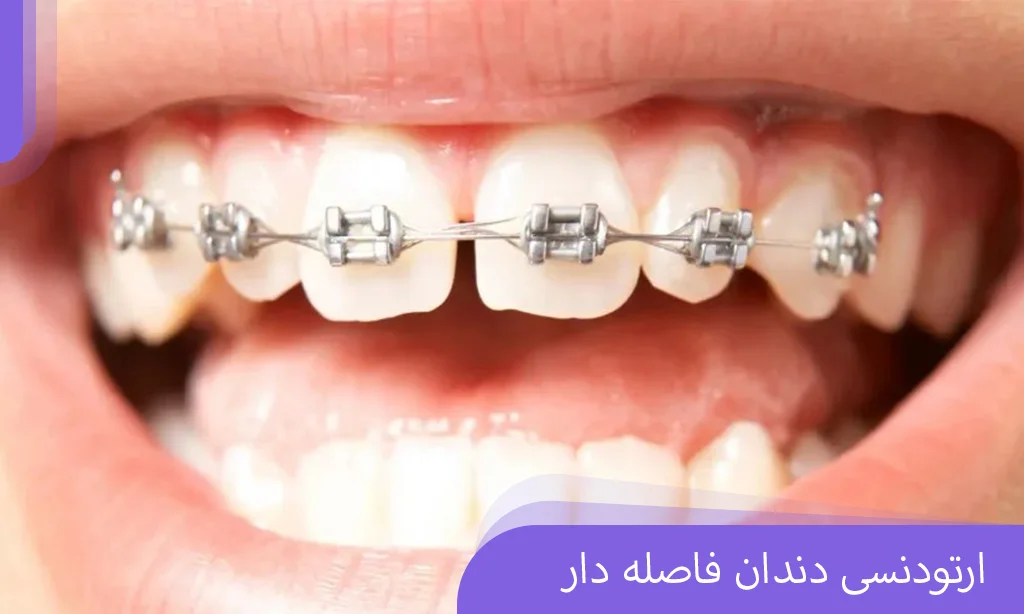
The gap between the teeth after orthodontics is usually related to the partial return of the teeth to their initial position (relapse). Sometimes, this distance is created due to the lack of gum tissue or bone between the teeth. Oral habits such as tongue thrusting or nail biting can also dislodge teeth. Also, the natural changes in jaw growth or gum recession over time are other factors that create a gap after orthodontics.
Why should we not do orthodontics at a general dentist?
Orthodontics is a specialized branch of dentistry and it is not recommended to be performed by a general dentist, because they do not have full training and sufficient experience in designing a treatment plan, controlling the movement of teeth and predicting bone and soft tissue changes.
Incorrect treatment can cause problems such as gum recession, tooth root shortening or damage to the jaw joint. In addition, orthodontics requires regular visits and step-by-step corrections that can only be properly managed by an experienced orthodontist.
To achieve optimal results and reduce the risk of complications, orthodontics should be performed by an orthodontic specialist.
Is it possible to straighten teeth without orthodontics?
In mild cases, the appearance of the teeth can be made more regular with methods such as veneers or composites. These methods are mostly cosmetic and do not correct messy bytes. If there is severe misalignment or a problem with the bite, only orthodontics can move the teeth into the right place.
When is the right age for orthodontics?
The appropriate age for orthodontics is usually childhood and adolescence, between 11 and 13 years, when most of the permanent teeth have grown and the jawbone is still flexible; At this age, the treatment is done faster and more effectively. However, orthodontics is also possible in adults, although the treatment process may be longer.
Is tooth extraction necessary for orthodontics?
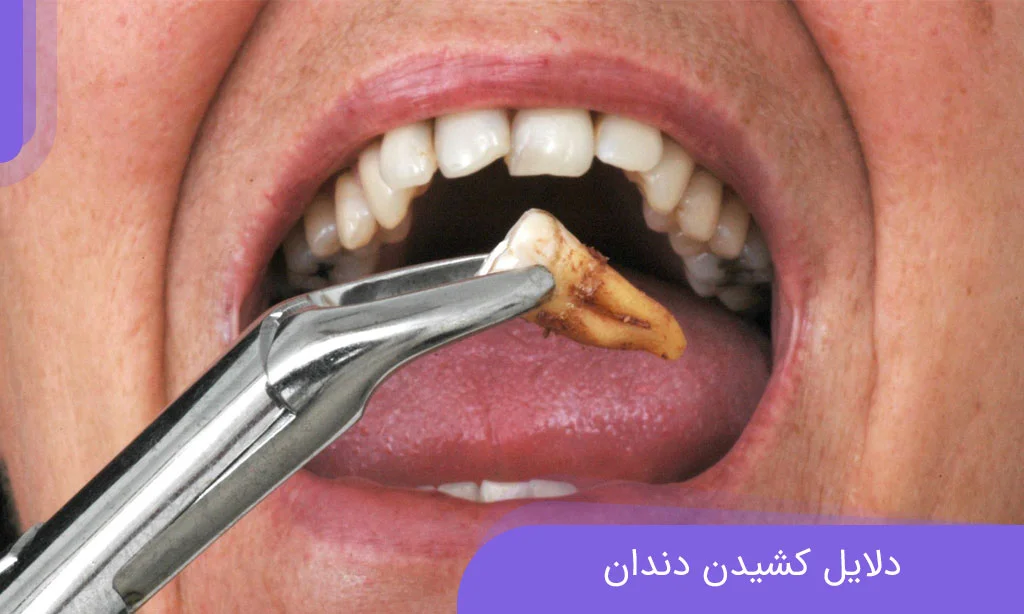
Tooth extraction for orthodontics is not always required and is recommended only in cases where the jaw does not have enough space to align the teeth or is severely misaligned. The final decision depends on the severity of crowded teeth, the condition of the bite and analysis of the teeth and jaw, and is made by the orthodontist after careful examination.
How long does orthodontic treatment take?
The duration of orthodontic treatment depends on the severity of the misalignment of the teeth, the type of bite problem and the treatment method. Normally, this period is between 12 and 18 months. In some more complicated conditions, the treatment may continue for up to 24 months, but most patients achieve the desired result within this period of one and a half years.
How often are orthodontic examination sessions?
After starting orthodontics, it is usually necessary to visit the orthodontist's office every 4 to 6 weeks to adjust the braces or aligners and control the movement of the teeth. These regular visits are necessary for the correct progress of the treatment and to prevent possible problems.
Does orthodontics hurt?
Orthodontics is usually accompanied by a feeling of pressure or mild discomfort during the first days of brace installation or after any readjustment. This pain is usually short-term and can be controlled by taking regular pain relievers or eating soft foods.
Is it difficult to talk with orthodontics?
Speaking with orthodontics may be a little difficult at first and cause the pronunciation of some sounds to be unclear, but this problem is usually resolved after a few days to a few weeks as the tongue and lips get used to the braces and speech returns to normal.

Is it possible to exercise with orthodontics?
Yes, you can exercise with orthodontics, but during intense or high-contact sports, it is better to use a mouth guard for braces so that braces and teeth are not damaged. Observing this point allows you to continue exercising during orthodontic treatment without any disturbance.
What food restrictions does orthodontics have?
Orthodontics with fixed braces creates restrictions in the diet; For example, you should avoid eating very hard, sticky, or brittle foods such as nuts, crackers, gum, and caramel, as they can damage the braces or dislodge the wires. Also, it is better to divide hard fruits and vegetables into small pieces and consume them carefully so as not to disrupt the healing process.
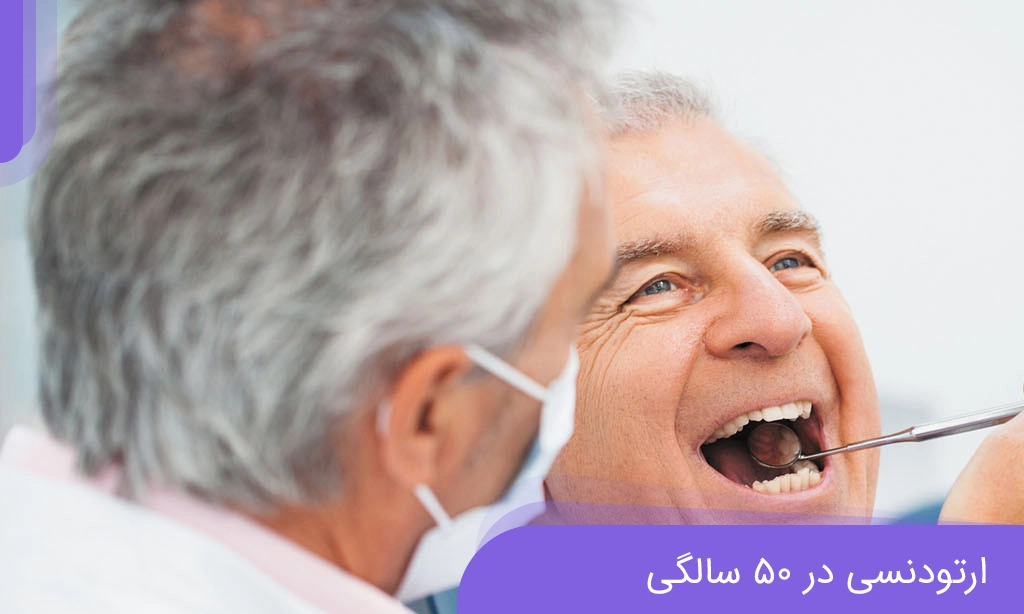
Is orthodontics also possible in old age?
Orthodontics is also possible in old age and has no age limit, but the treatment process in adults is usually longer and more complicated. The main reason for this difference is the changes in the gum tissue and jaw bone over time; With age, bones become less flexible and teeth move more slowly.
In addition, many adults may have a history of gum disease, bone loss, or dental fillings and prostheses that affect the healing process. Therefore, orthodontics in adults requires careful follow-up, careful adjustment of orthodontic forces and regular care of the gums in order to carry out successful treatment without complications.
Can milk teeth be orthodontic?
Orthodontics is usually performed on permanent teeth, but in some special cases, baby teeth can be treated to correct the space and guide the growth of permanent teeth. This action is usually preventive and is used to prepare the jaw and teeth before the main orthodontics.
Is single jaw orthodontics possible?
Yes, in some cases orthodontics can be performed on only one jaw, but this procedure is usually limited to minor problems or cosmetic correction. For severe bite or misalignment problems, orthodontics of both jaws is recommended to completely correct alignment and chewing function.
Is orthodontics possible without jaw surgery?
Yes, orthodontics without jaw surgery is possible in many cases, especially when the problem is mainly misalignment of the teeth and the severity of the jaw deformity is not great. In severe cases or skeletal abnormalities of the jaw, jaw surgery with orthodontics may be required to achieve optimal results.
Can we change the orthodontic specialist after starting the treatment?
Yes, it is possible to change the orthodontic specialist after the treatment has started, but this requires the complete transfer of the file and radiographic images and treatment information to the new specialist so that the treatment process continues without disruption and the teeth are guided to the right position.
How much does orthodontics cost?
The cost of orthodontics varies depending on the type of method and the condition of the teeth. Fixed orthodontics for one jaw is estimated at around 40 million Tomans and for two jaws around 68 million Tomans. If you choose a ceramic bracket, about 20 million Tomans per jaw will be added to the cost. Also, the cost of Damon orthodontics for two jaws starts from around 90 million Tomans. In the invisible orthodontic method with transparent aligners, the cost starts from about 130 million tomans for two jaws.
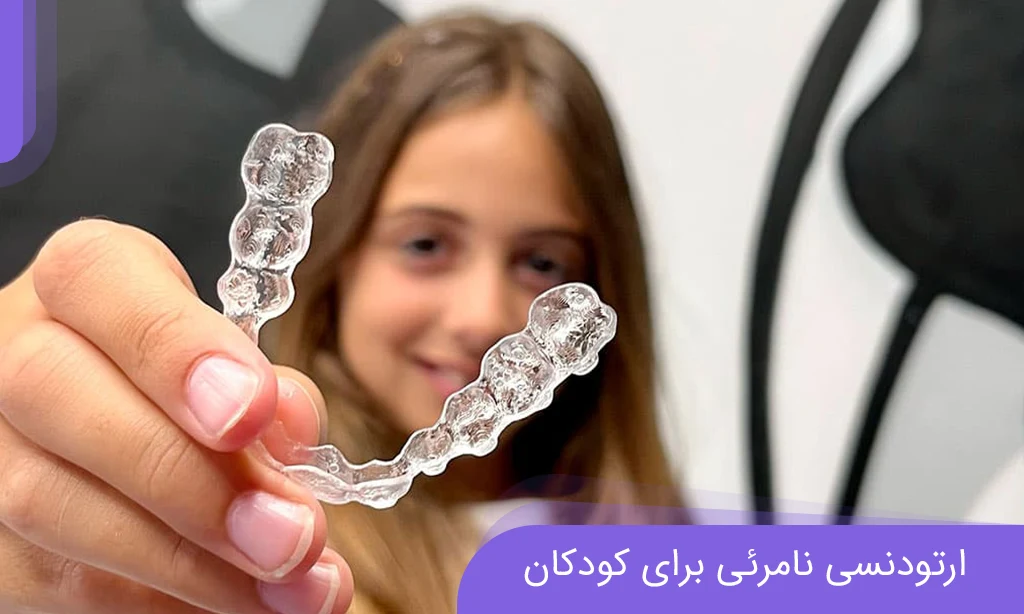
What is invisible orthodontics?
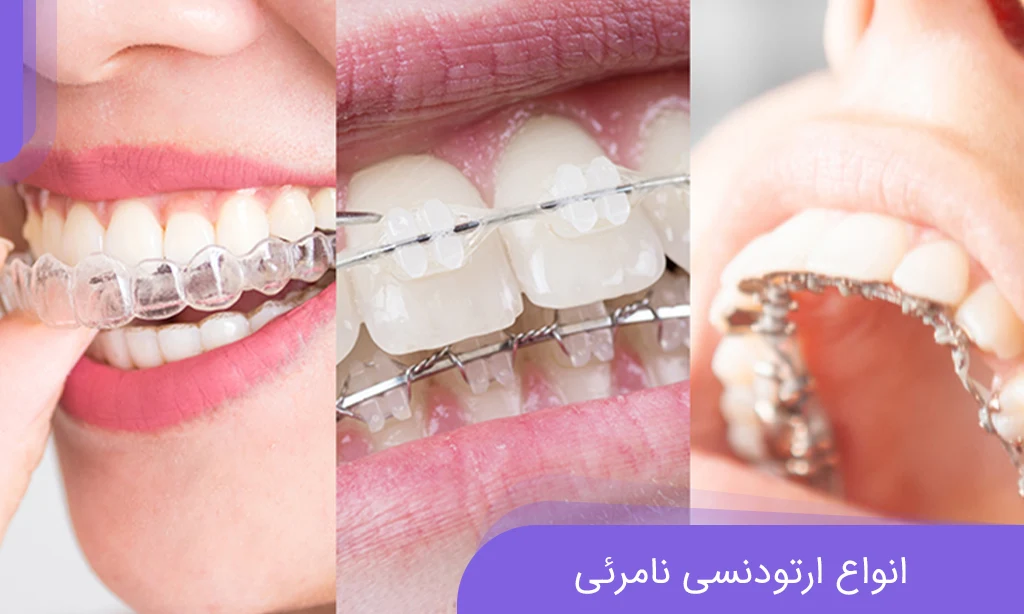
Invisible orthodontics is a transparent method of straightening teeth, which uses transparent movable aligners to straighten teeth. Unlike metal braces, invisible orthodontics are almost invisible. This method is more suitable for mild to moderate misalignment of teeth, and its advantage is convenience, beauty, and the possibility of removing plaques while eating or brushing teeth.
Does orthodontics cause tooth decay?
Orthodontics itself does not cause tooth decay, but not cleaning teeth and braces properly can lead to plaque accumulation and decay. Oral and dental hygiene, regular brushing and use of dental floss or an interdental brush during treatment are necessary to prevent caries.

Free orthodontic consultation with Dr. Khdywy
To answer common orthodontic questions and clear your doubts, you can now benefit from a free orthodontic consultation with Dr. Khedevi. This opportunity will help you to directly raise all your questions and concerns and make an informed decision to start treatment with expert guidance.